We'll Die on This Hill: The Art of Defending Apple When You Know Deep Down They Messed Up
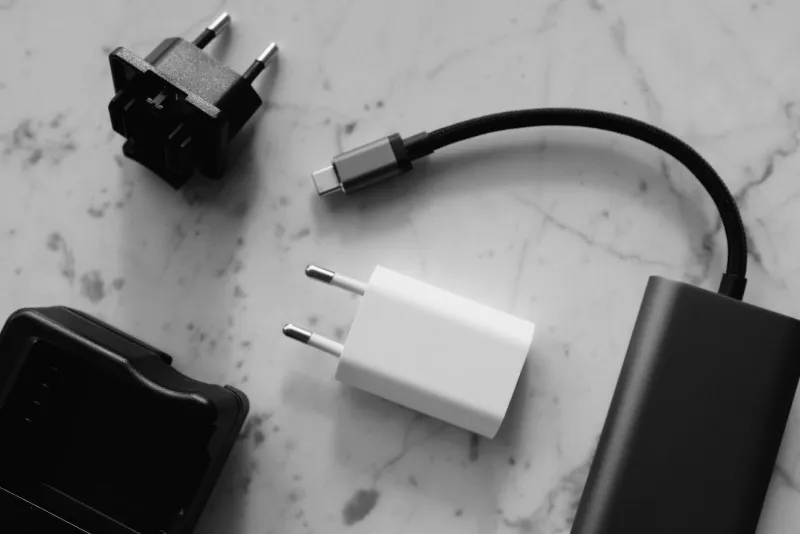
There's a very specific face every Apple fan makes right before they say something they know is a stretch. The jaw tightens. The eyes go slightly distant. And then it comes: "Look, Apple is just ahead of the curve on this one."
We've all done it. We've all been the person in the room defending a decision that, deep down, felt a little hard to swallow. And the thing is — sometimes we were right. Sometimes Apple really was ahead of the curve, and the world caught up. But sometimes? We were just loyal. And there's a difference worth talking about.
This is the Apple Apology Tour. Not Apple's apology. Ours.
The Dongle Era: A Case Study in Rationalizing the Irrational
Let's start with the one that still brings a flicker of pain to veteran clan members: the 2016 MacBook Pro and its enthusiastic embrace of USB-C. All USB-C. Only USB-C. Four ports, all identical, all requiring adapters to connect to basically everything humans used at the time.
The backlash was immediate and loud. And the Apple faithful? We showed up. Forums, comment sections, Thanksgiving tables across America — clan members were out there making the case. USB-C is the future. The industry just needs to catch up. Apple is forcing the transition.
Here's the uncomfortable thing: that argument wasn't entirely wrong. USB-C is now genuinely ubiquitous. The standard did win. But that doesn't mean the execution was painless or that Apple handled the transition with any particular grace. You can be right about the destination and still be wrong about the speed. Plenty of clan members will now quietly admit that carrying a bag of dongles for three years wasn't a spiritual awakening — it was just annoying.
The line between visionary and reckless is thin, and the clan has spent years straddling it.
Port Grief Is Real and We Need to Talk About It
The headphone jack removal from the iPhone 7 in 2016 might be the single most-defended Apple decision in modern history. "Courage," Phil Schiller called it. And the clan mobilized.
The counterarguments were everywhere: Bluetooth audio is better anyway. The space freed up internal components. Wired headphones are a liability. Lightning audio was fine.
Some of those points have merit. Wireless earbuds — including Apple's own AirPods — genuinely changed how a lot of people listen to audio. The AirPods launch a year later made the whole thing look almost prescient in retrospect.
But here's what a lot of us quietly acknowledge now: the timing was off, the included Lightning adapter was a stopgap that created its own headaches, and the fact that Apple itself still ships USB-C Macs that work perfectly well with analog audio suggests the "courage" framing was more marketing than manifesto.
Defending it wasn't wrong. But some of us defended it harder than it deserved, and we knew it even then.
The Price Conversation Nobody Wants to Have Out Loud
Ask a clan member to defend a $1,099 iPhone Pro or a $3,499 Vision Pro, and watch the mental gymnastics begin. The justifications are familiar: build quality, software support longevity, resale value, the ecosystem integration you can't get anywhere else.
And honestly? A lot of that holds up. iPhones genuinely do hold value better than most Android flagships. Apple devices do get software updates for longer than most competitors. The total cost of ownership argument is real.
But there's a version of that defense that crosses into something else — where we stop doing math and start doing faith. Where the price is justified not because we've run the numbers but because we trust Apple and we trust the clan's collective judgment that this is worth it.
That's not analysis. That's belonging. And belonging is powerful, but it's not the same thing as being right.
Where the Clan Actually Draws the Line
Here's what's interesting: most Apple fans, when you get them away from the comment section and into an honest conversation, will tell you there are things they couldn't defend.
The butterfly keyboard. That's the one that breaks almost everyone. The MacBook keyboard that shipped across multiple generations with a mechanism so fragile that a single dust particle could render a key useless. Apple eventually acknowledged the problem, extended repair programs, and ultimately replaced the design entirely. Even the most devoted clan members tend to go quiet on that one.
The Maps app at launch in 2012 is another. Tim Cook personally apologized. The clan doesn't really try to relitigate that one.
And more recently, the initial rollout of iCloud storage pricing, the confusion around different charging bricks included (or not included) in the box, the MagSafe accessory ecosystem fragmentation — these are the moments where even enthusiastic defenders tend to lower their voices.
There's a version of clan loyalty that's actually healthy: it's the kind where you give a company you trust the benefit of the doubt while they work through a transition, understanding that not every decision lands perfectly. That's not blind loyalty. That's the same patience you'd extend to any relationship where the track record has generally been good.
The unhealthy version is defending things you know are wrong because admitting it feels like betrayal. That's where rationalization tips into something more tribal and less honest.
The Clan's Superpower Is Also Its Weakness
What makes Apple's fanbase genuinely remarkable — and occasionally insufferable, let's be honest — is the same thing: we care. We care about design and craft and the experience of using technology in a way that a lot of people simply don't. That passion makes us great advocates. It also makes us occasionally terrible critics of the thing we love.
The best version of being an Apple fan isn't one where every decision is perfect and every price is justified and every removed port was visionary. It's one where you can say, yeah, that was a miss — and still come back the next day excited about what's next.
The Apology Tour doesn't have to be embarrassing. Defending Apple through the rough patches, even imperfectly, is part of what it means to be invested in something. Just maybe keep a little room in the back of your mind for the moments when the company you love earns a little honest criticism.
You can be a card-carrying member of the clan and still call it like it is. In fact, that might be the most Apple thing of all: high standards, even for Apple.